Brooklynella
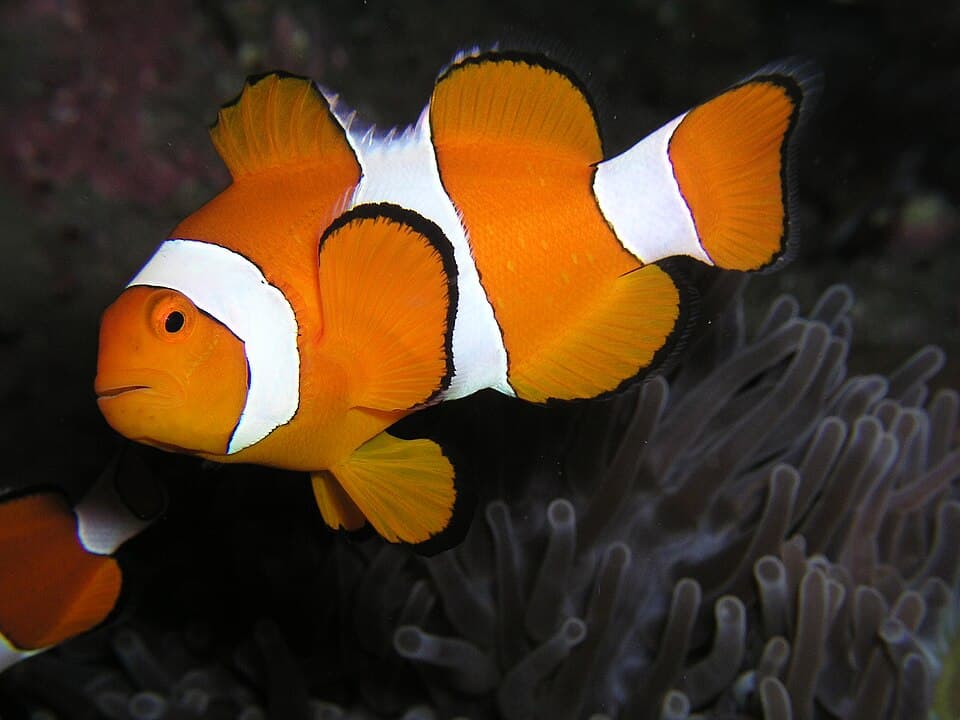 Host species
Symptoms
Excess mucus production, fish develops a cloudy, peeling, gray-white slime coat that sloughs off in sheets. Rapid breathing, gasping at the surface, lethargy, refusing food. Often presents first in newly-imported clownfish, especially wild-caught Maroons and Tomatoes. Mortality is high and fast, 24-48 hours from first symptoms is common.
Causes
A ciliated protozoan that attacks the skin and gills. Spreads quickly between fish via direct contact and the water column. Strongly associated with the stress of capture, transport, and acclimation in newly-imported clownfish. Wild-caught fish carry it asymptomatically until stress triggers an outbreak.
Treatment
Formalin baths or formalin tank treatment is the gold standard, typically 45-minute dips in heavily-aerated water at the label concentration. Repeat every 2-3 days for 2 weeks. Methylene blue can be added to formalin baths for extra antibacterial protection. Heavy aeration is critical, formalin reduces oxygen significantly. Hospital tank only, formalin nukes filtration and is toxic to invertebrates.
Prevention
Quarantine all newly-imported clownfish, especially wild-caught. Captive-bred clownfish from reputable breeders rarely carry Brooklynella. If you must buy wild-caught, plan a prophylactic formalin dip during QT.
Notes
Easily confused with Marine Velvet, both produce mucus issues and rapid breathing. Brooklynella mucus is thicker and visibly sheds; Velvet looks like gold dust. When in doubt and clownfish are involved, treat for Brooklynella first.