Species Profile
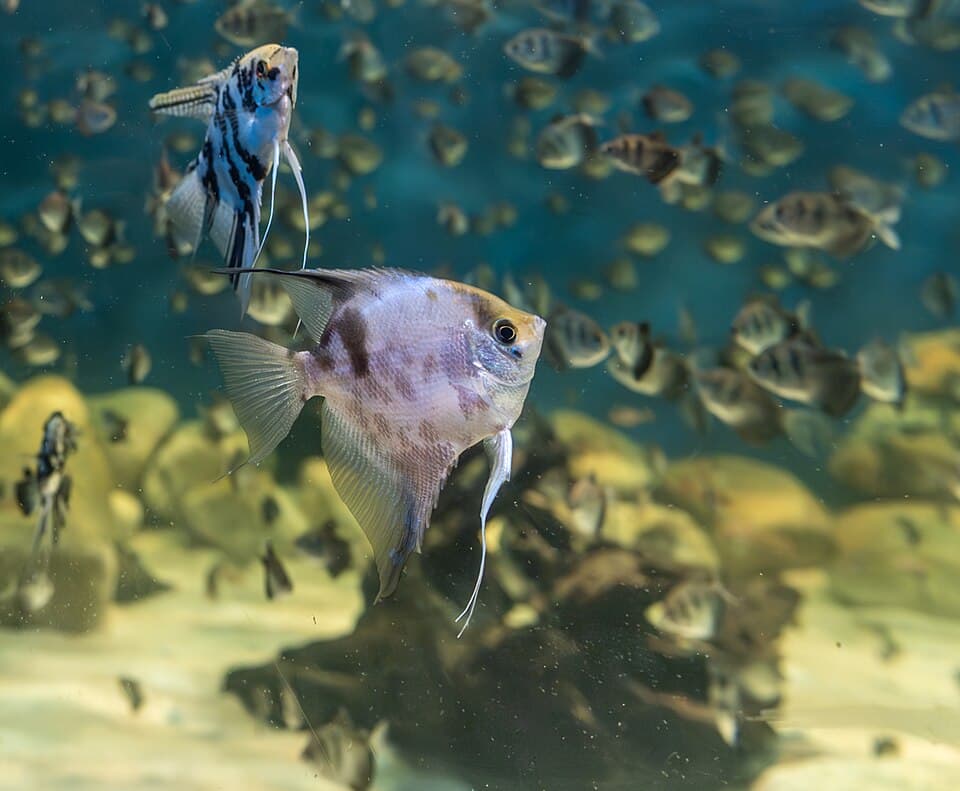
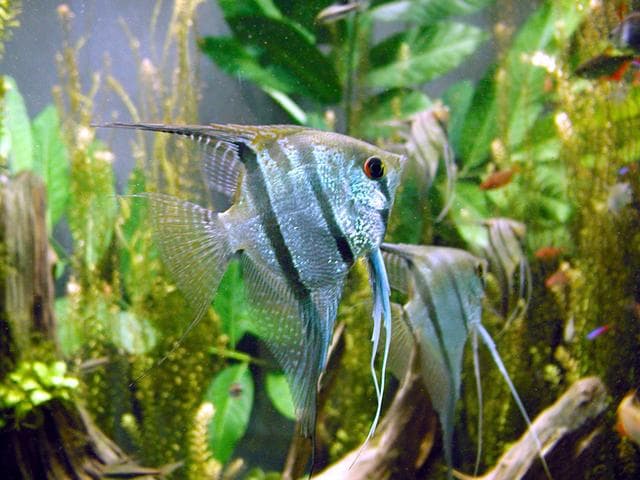
Angelfish
Pterophyllum scalare
Cichlidssemi-aggressiveLong-finned
Adult size
6″
Minimum tank
55 gal
Temperature
76–84°F
pH
6–7.5
Schooling
Solitary OK
Water level
mid
Grows from juvenile
Typically sold at ~1.5″ and reaches 6″ over ~1 year. Plan tank size for the adult, not the fish at purchase.Diet
Pellets, frozen, live
Notes
Eats neons and other small fish. Long fins targeted by nippers.
Tank Setup
55gal minimum (a pair); 75gal for a small group. The tank must be TALL, angels are deep-bodied (6+ inches at adulthood) and need vertical swimming room. Tall plants like Amazon swords, vallisneria, and driftwood with attached anubias replicate their flooded-forest habitat. Soft slightly-acidic water (pH 6.5–7.5), temperature 78–82°F. Strong filtration but gentle current. Subdued lighting, they're a forest-canopy fish, not a sun-bleached open-water species.
Behavior
Pair-bonded mid-water cichlids that establish territory around a vertical surface (driftwood branch, broad leaf, tank corner). Calm when paired, aggressive when defending eggs or fry. Pecking order develops in groups of 4+, usually 1 dominant pair + subdominants. Stalkers; sneak up on small fish, then strike. Recognise their keeper and beg at the front glass.
Breeding
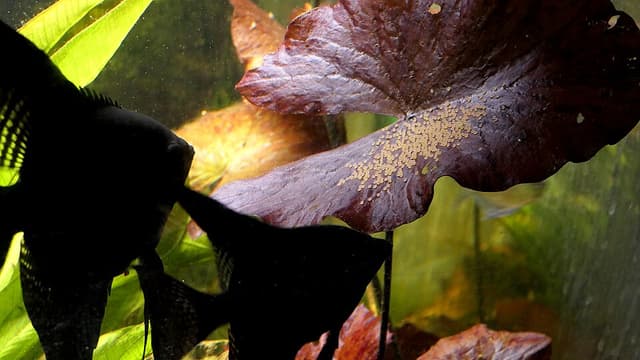
Among the easiest cichlids to breed, pair will spawn on broad leaves, flat rocks, or tank glass. Eggs hatch in 2–3 days; fry are 'wigglers' for 5–7 more days before free-swimming. Parents tend the brood for weeks, leading them in tight schools. First-time pairs often eat eggs; persistence (or hatching artificially in methylene-blue water) usually works by spawn #3. Feed fry baby brine shrimp from free-swimming.
Health
Common issues: hexamita / hole-in-the-head (white pinholes on forehead, improve water quality + dose metronidazole), velvet (yellow dust, copper or formalin), gill flukes (rapid breathing, fish rubbing on objects, praziquantel). Angels are sensitive to nitrate; 25% weekly water changes are non-negotiable. Long fins are prone to bacterial fin rot from injuries.
Frequently Asked
Can angelfish live with neon tetras?
Not safely. Adult angels (6") view neons (1.5") as food. The compatibility checker flags this, it's a documented predation pair. Substitute Congo Tetras, larger Rainbowfish, or rummynose tetras (3″ish and fast).
How many angelfish can I keep in a 55gal?
A bonded pair, period. A 75gal handles 4–6 juveniles that you let pair off naturally. Anything more crowds them and triggers aggression. Two adult angels in a 55gal is the comfortable max.
Do angelfish need to be in a group?
Not really. Wild angels live in pairs or loose groups in flooded forests; captive angels do fine as a single fish, a pair, or 4+ (avoid 3, one always gets bullied). Pairs are the cleanest stocking.
Why does my angelfish keep flaring at the glass?
Reflection. They see their own image as a rival and prepare to fight. Brief flaring is harmless exercise; constant flaring is stress. Reduce by adding a tank background and slightly dimming the lights, angels are forest-canopy fish, not sun-fish.
Compatible Tankmates
Best tank mates for Angelfish
Every species below passes the compatibility engine when paired with Angelfishin a suitably sized tank. Verdicts come from the same rules the builder uses — click a card to see that species' own care profile and its tank mates in turn.
Cardinal Tetra
ExcellentPeaceful pairing — temperament, water parameters, and size all line up.
Rummynose Tetra
ExcellentPeaceful pairing — temperament, water parameters, and size all line up.
Harlequin Rasbora
ExcellentPeaceful pairing — temperament, water parameters, and size all line up.
Fancy Guppy
ExcellentPeaceful pairing — temperament, water parameters, and size all line up.
Platy
ExcellentPeaceful pairing — temperament, water parameters, and size all line up.
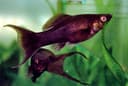
Molly
ExcellentPeaceful pairing — temperament, water parameters, and size all line up.

Swordtail
ExcellentPeaceful pairing — temperament, water parameters, and size all line up.
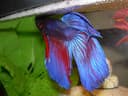
Male Betta
ExcellentPeaceful pairing — temperament, water parameters, and size all line up.
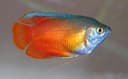
Dwarf Gourami
ExcellentPeaceful pairing — temperament, water parameters, and size all line up.
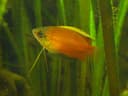
Honey Gourami
ExcellentPeaceful pairing — temperament, water parameters, and size all line up.
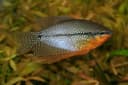
Pearl Gourami
ExcellentPeaceful pairing — temperament, water parameters, and size all line up.
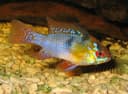
German Blue Ram
ExcellentPeaceful pairing — temperament, water parameters, and size all line up.
Photo: Rjcastillo / Wikimedia Commons · Source · CC-BY-4.0