Species Profile
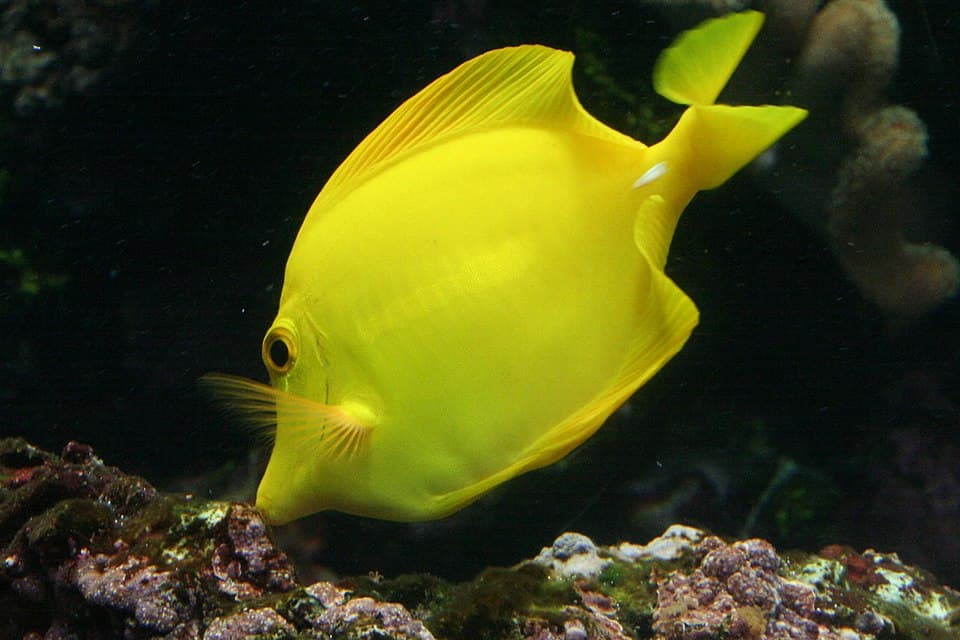
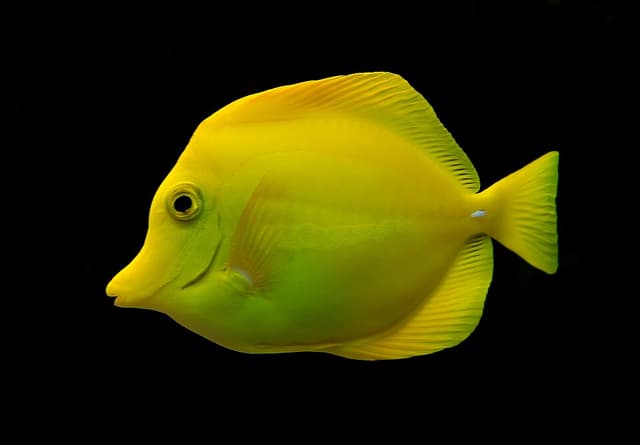
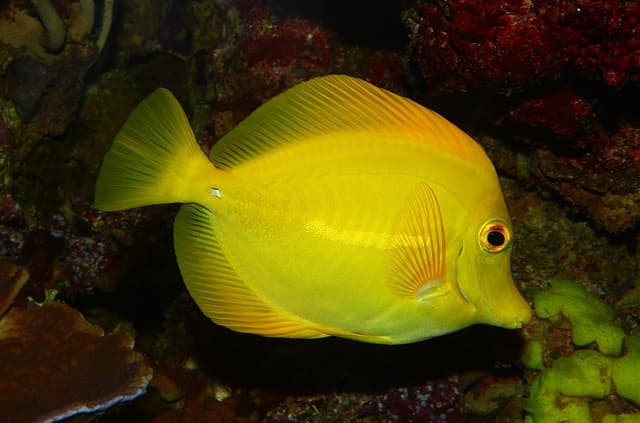
Yellow Tang
Zebrasoma flavescens
Tangssemi-aggressive
Adult size
8″
Minimum tank
75 gal
Temperature
72–82°F
pH
8.1–8.4
Schooling
Solitary OK
Water level
mid
Grows from juvenile
Typically sold at ~2″ and reaches 8″ over ~2 years. Plan tank size for the adult, not the fish at purchase.Diet
Marine algae sheets (nori), seaweed, herbivore pellets
Notes
Vivid lemon-yellow Hawaiian surgeonfish. Needs daily algae and a tank long enough to swim, they're constant grazers. Two tangs in the same tank almost always end in violence; one per system.
Tank Setup
75gal absolute minimum, 6 feet of swimming length strongly preferred (the tank shape matters more than volume, yellow tangs need to swim laps, not just have water). Mature reef tank with established aquascape, live rock for grazing biofilm, stable parameters at 78°F + 1.024–1.026 SG + 8.1–8.4 pH. Strong flow (30× tank turnover) replicates Hawaiian current. Bright lighting drives the algae growth they constantly graze on. Buy CAPTIVE-BRED. Hawaii has restricted wild collection and bred specimens are now widely available, healthier, and more ethical.
Behavior
Constant grazer, yellow tangs spend ~80% of waking hours scraping algae off rockwork. Solitary in captivity (will fight other tangs viciously). Personality varies wildly: some are bullies that harass tankmates, others ignore everything. Famously prone to 'ich vacations', symptoms come and go with stress. The scalpel-like spines at the base of the tail are actual weapons; tangs lock onto rivals or aggressors with them. Handle with caution during net captures.
Breeding
Captive-breeding was first achieved in 2015 (Oceanic Institute, Hawaii) and remains rare. Tangs spawn in groups in the wild during the new moon. The first commercially-bred yellow tangs are from Biota Aquaculture and similar facilities, buy these when available. Home breeding is essentially impossible due to the pelagic larval requirements (35+ days at sea on copepods).
Health
Ich-prone, really, the most ich-prone marine fish in the trade. Quarantine new arrivals 30 days minimum. UV sterilizers, copper-treated quarantine tanks, and a stress-free display setup are the standard prevention. HLLE (head and lateral line erosion) from poor diet, feed nori sheets and herbivore pellets daily. Bullying-related injuries are common; isolate aggressive individuals.
Frequently Asked
Can I keep two yellow tangs together?
Almost never. In tanks under 180 gallons they fight to the death. Even in large public-aquarium-sized systems, multi-tang stocking requires adding them simultaneously as juveniles and aquascaping for territorial breaks. The compatibility checker flags this as critical, for good reason.
Is the yellow tang reef-safe?
Yes. They don't nip corals, eat invertebrates, or interfere with reef stocking. They DO graze algae aggressively, which helps with nuisance algae but means a sparse-algae tank needs daily nori supplementation.
What size tank does a yellow tang really need?
75gal is the absolute floor. 90–125gal is comfortable. Tank LENGTH matters more than volume, a 75gal long (4 feet) beats a 90gal cube. The compatibility checker's tank-length rule warns when you have a tang in a tank shorter than 32 inches.
Why are yellow tangs more expensive than they used to be?
Hawaiian wild collection was restricted in 2021 after population declines. Captive-bred yellow tangs from facilities like Biota Aquaculture filled the gap but cost more to produce. The trade-off is healthier fish, no cyanide-collection damage, and a sustainable supply chain.
Compatible Tankmates
Best tank mates for Yellow Tang
Every species below passes the compatibility engine when paired with Yellow Tangin a suitably sized tank. Verdicts come from the same rules the builder uses — click a card to see that species' own care profile and its tank mates in turn.
Ocellaris Clownfish
ExcellentPeaceful pairing — temperament, water parameters, and size all line up.
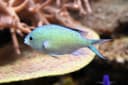
Blue-Green Chromis
ExcellentPeaceful pairing — temperament, water parameters, and size all line up.
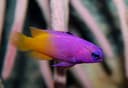
Royal Gramma
ExcellentPeaceful pairing — temperament, water parameters, and size all line up.
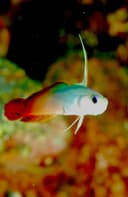
Firefish Goby
ExcellentPeaceful pairing — temperament, water parameters, and size all line up.
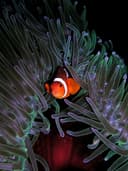
Percula Clownfish
ExcellentPeaceful pairing — temperament, water parameters, and size all line up.
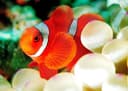
Maroon Clownfish
ExcellentPeaceful pairing — temperament, water parameters, and size all line up.
Tomato Clownfish
ExcellentPeaceful pairing — temperament, water parameters, and size all line up.
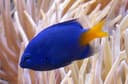
Yellowtail Damselfish
ExcellentPeaceful pairing — temperament, water parameters, and size all line up.
Three-Stripe Damselfish
ExcellentPeaceful pairing — temperament, water parameters, and size all line up.
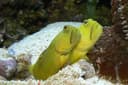
Yellow Watchman Goby
ExcellentPeaceful pairing — temperament, water parameters, and size all line up.
Diamond Watchman Goby
ExcellentPeaceful pairing — temperament, water parameters, and size all line up.
Neon Goby
ExcellentPeaceful pairing — temperament, water parameters, and size all line up.
Photo: User:Strobilomyces / Wikimedia Commons · Source · CC-BY-SA-3.0